
It’s not often when you hear engineers talk about the games they’ve been working on. It’s like a peek inside the machine, or under the hood. So it’s no surprise that I was pretty geeked out when I heard that two CodeCraft panels would be running at this year’s Blizzcon. As it turns out, the sessions were a trove of information on how Blizzard develops and operates its games.
I was surprised by just how much Overwatch has led the way in new techniques for the studio, being a testing ground for everything from having no downtime on patch days, to using a hybrid cloud infrastructure. Then there’s World of Warcraft, and what it’s like to manage a 10+ year-old codebase on a living game. Under that, it was surprising to discover just how much falls into Battle.net, and that’s without considering the areas covered by Service Support or Web & Mobile teams.
If I was going to ask for more from the presentations, it’d mainly be about the architecture. As a former software engineer turned enterprise architect, I’d love to discover if they have an enterprise domain model in place, or if Blizzard uses a methodology like TOGAF. Putting my personal asks aside, here’s some of the juicy nuggets from the two Q&A sessions held at Blizzcon 2017.
Continue reading “Blizzard Engineering: The Nuggets from Blizzcon”
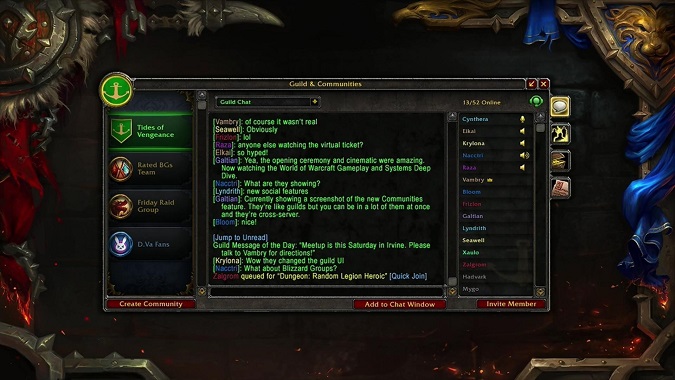

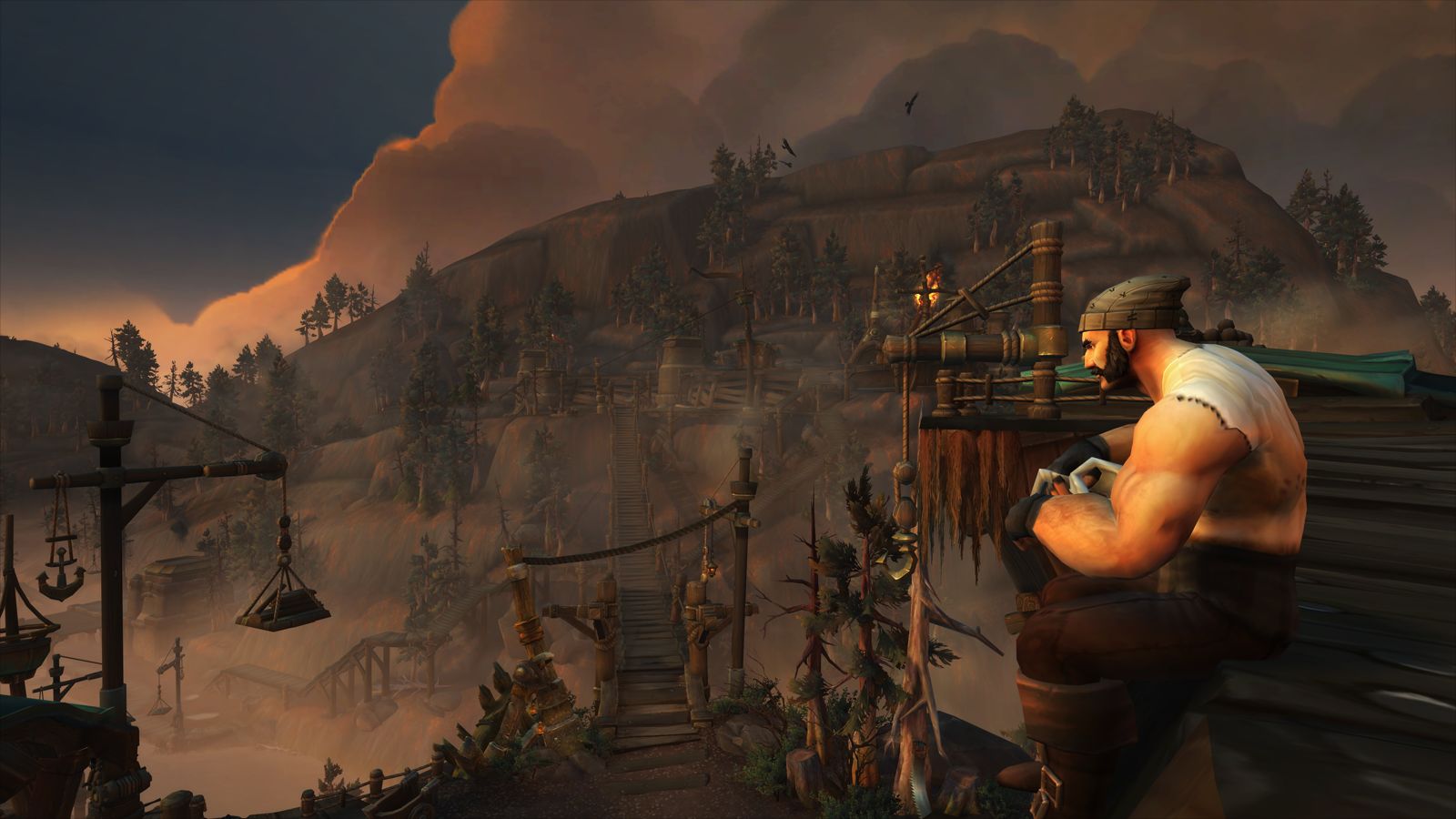
 Another Blizzcon has happened, and another World of Warcraft expansion has been announced. Recent expansions have focused on defeating external threats, but

 On Tuesday 24th October, Destiny 2 finally launched on PC. One of the most anticipated releases of the year, Bungie’s platform debut became gained even more interest following an